by Taufik Wijaya [Muaraenim], 29 April 2019
- The people of Semende adhere to a matrilineal tradition called “tunggu tubang”, the eldest daughter becomes the sole heir of the family property in the form of a house, rice fields or tebat.
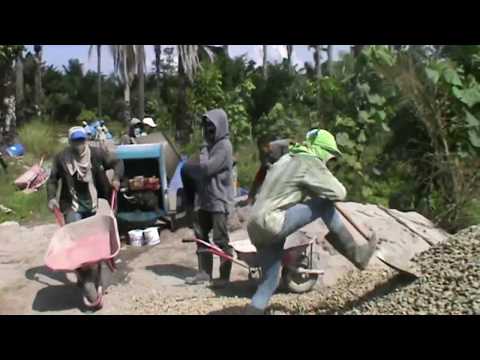
- The large number of men who migrate makes the workload of women in the village increasingly heavy. They do not only take care of the house, also the fields and gardens, some even become farm laborers.
- Since the introduction of social forestry, women’s workload has been reduced because men return to the village, so they can manage rice fields, tebat and gardens with women.
- There are many economic potentials that can be developed in Semende that can be played by women, such as durian fruit processing and fisheries.
The people of Semende adhere to the matrilineal tradition, which is called “tunggu tubang” . The eldest daughter became the sole heir of the family property. Traditionally, houses, rice fields, tebat (fish ponds) and family assets cannot be traded.
However, some argue that this tradition has contributed to the encroachment and opening of coffee plantations in a number of forest areas in Bukitbarisan by Semende’s men. really?
“[Actually it’s not because of cultural customs] but more of an economic factor,” explained Tasriani, a female farmer from Muara Danau Village.
This village has a population of about 550 people, most of whom are farming and coffee plantations.
“Not many wives or mothers are happy that their husbands or children migrate or go to open gardens in Bukit Barisan. It’s dangerous, and it doesn’t always work either.”
The economic factor he was referring to was the insufficient yield of gardens and rice fields. The cost of living is increasing day by day. He said these needs cover the cost of electricity, fuel, children’s education to daily consumption.
Tasriani dismissed the idea that the waiting tubang tradition meant that all inherited assets were unilaterally controlled by the eldest daughter. Other family members may manage existing assets. It is the heir who arranges for the inheritance not to be sold, or converted into other uses.
“That makes women have a big responsibility for family life,” he said
Tasriani is active in the Tebat Abler Farmers Group, she is also a PAUD teacher for children. For his activity, he was facilitated to join a study visit to Vietnam to learn how to handle smallholder coffee plantation products.
In the book Ethnoecology of Communication, Orang Semende Memandang Alam , the author, Yenrizal Tarmizi, called the tradition of waiting for the tubang to be a symbol of food and environmental security.
Waiting for tubang can be interpreted as a guardian of nature conservation. Women who are in control of rice fields, houses and gardens , so as not to be traded. The hope is that through the hands of women food products will be guaranteed and the natural environment can be maintained.
Thus, women do not only work on the domestic aspects of the household. They also went down to the rice fields and coffee plantations with the men.
Village Forest Impact
Since 2014, the Government has established the Muara Danau Village Forest through the Decree of the Minister of Forestry No.622/Menhut-II/2014. This clearly pleased the wives and mothers in the village.
“Since the last two years there have been no more men clearing the forest in Bukitbarisan. All work in social forestry. [It can be successful] as long as we treat it properly,” said Tasriani.
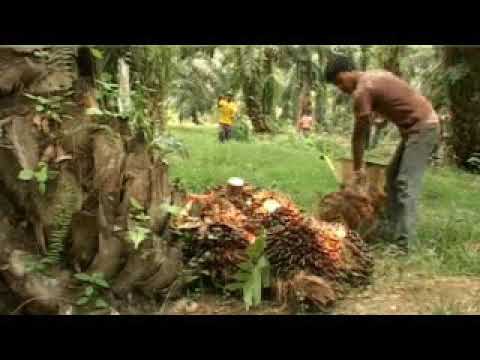
The village forest model itself allows residents to combine forest wood stands with people’s productive crops such as coffee. They also plant fruit crops such as durian and petai.
As a result, men don’t have to migrate. As a result, the work of gardening and rice fields can be done by men. Women’s workload is slightly reduced.
“I ‘m happy that after the village forest, the lanang (male) rarely migrate to other places, they only take care of the gardens and rice fields here. Our burden is reduced,” said Nuraini, a female farmer in Muara Danau Village.
“I agree with the village forest. Men no longer enter the forest elsewhere to cultivate coffee,” he continued.
Advancing women’s economy
To further boost the economy of residents and women, Tasriani said that there are many agricultural and plantation products that can be developed in the future.
“There are a lot of durians here, but the fruit is only being sold. Whereas there can be added value if sold as tempoyak (fermented durian flesh) or lempok, or durian fruit lunkhead. Semende durian fruit is very delicious and very well known,” he said.
“Women here only make tempoyak or lempok for family consumption. Not sold yet. They don’t know how to market and package it.”
Also Muara Danau Village, he said, is good for inland fishery business. But it hasn’t developed yet, because it doesn’t know marketing and how to make it.
“Because it is difficult to sell, they are eaten alone or distributed to families. Whereas fish can be used as sale fish or smoked fish. But we don’t know how to make fish sale yet.”
From this potential, he hopes that there will be training and simple technology assistance in the packaging of tempoyak, lempok and sale or smoked fish products. Both from the government and institutions that care about the fate of farmers.
“If there is knowledge (knowledge), and know the market, believe me the women here will work well and productively,” said Nuraini.
Source: https://www.mongabay.co.id/2019/04/29/saat-perempuan-bersyukur-dengan-adanya-hutan-desa-lanang-kami-jadi-no-perlu-go-merantau/


 BITRA Indonesia, Bina Keterampilan Pedesaan Indonesia







 Gending Jawa di tanah Sumatera